The Great Yellow Hive
On finishing the first draft of the new book

Before this post gets under way, Alfie would like to ask if any of you would like to buy a Majblomma? He has been selling these “May Flowers” to raise money for a Swedish charity that supports families in poverty. You can read all about it on the page the two of us built together on the school called HOME website.
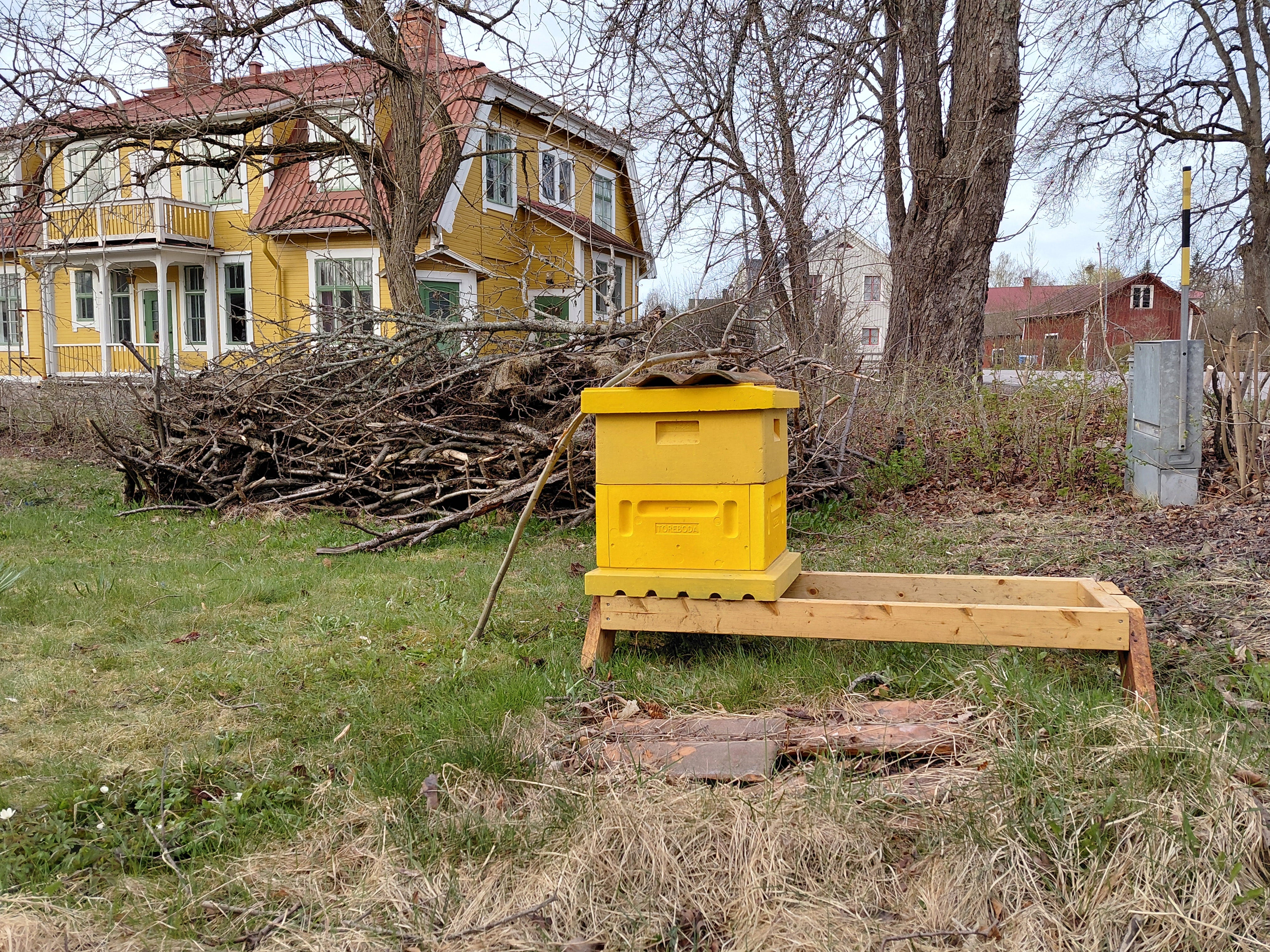
We are the bees of the invisible. We gather the honey of the invisible and store it in the great, yellow hive of the visible, for everlasting life.
Of course the bees arrived on the last morning.
The last morning of April, which is a great hinge of the year here in Sweden. Valborg, Walpurgis night, May Eve, Beltane. When the last of winter is swept out of homes and gardens and burned on bonfires, on the threshold of the glorious month in which everything takes the gamble on life.
It was the last morning of work on the first draft, too, as it happened. A couple of weeks back, I’d seen the line through to the end and cleared the decks to go at it flat out.
At breakfast time, Alfie saw from the window that our friend had come to install the hive. He’s due back in a few days, once they’ve settled in, so we can take a look inside together.
And it sent me looking for that line that isn’t quite from Rilke. It’s Rilke turned inside out by Alan Garner, at the core of Strandloper.
I’ll need to reread that novel, in the light of the book I’ve just written, where stories I heard at Alan’s kitchen table pull up alongside patterns of thought from Illich and Arendt, Ruth Benedict and Martín Prechtel, Carmody Grey and Ellen Dissanayake.
As I got to the end of the book, I realised the question about culture with which it started could be reframed as the question of anthropology, not in the modern social scientific sense which occupied some of its earlier chapters, but the older philosophical or theological sense: what kind of creature do we think we are? What story of “what it is to be human” are we ordering our lives around?
Dissanayake’s books on art as the behaviour that distinguishes our species offer one answer: we are the ones who ‘make special’, who take gestures or words or signs or objects and shift their context, finding or making worlds of layered meaning.
‘We are the bees of the invisible,’ indeed: trafficking backwards and forwards, visible-to-invisible as Rilke wrote, invisible-to-visible in Garner’s Turnaround.
Well, that’s enough for now, except to say – when a hive as yellow as that turns up, on the last morning of a year-and-a-half long process like the writing of this book, it would be rude not to accept it as a sign.
There’s more to do. I still haven’t typed up all of last week’s pages, then there’s printing and rereading and rewriting, and at the end of the month, it will go to the publisher for editing.
I’ve managed to promise three essays in different directions in the next six weeks, including two in honour of Illich’s centenary. (One where I get him and Arendt around the table, the other revolving around John McKnight, who is the connection between Illich and Saul Alinsky.)
There’s also much going on elsewhere in the hive.
David Benjamin Blower’s new album came out officially on May 1st. I got to listen to an early mix of this last summer, as I was reaching the first big push on the book, and it wove into the understructure of my thinking and writing. The final version is even better, the whole thing is on Bandcamp, or start with this track where he’s rapping about being “at work in the ruins”.
And pretty much the most joyful experience I know is getting to make just the right connection, which is what happened when I introduced Adam Wilson of The Peasantry School Newsletter to Charles Day of As Is Press, through which a plan has come together for the publishing of Adam’s book, which I’m deeply excited about.


It was just past six on Thursday evening when I came upstairs and told the others I was finished. I got a hug from Anna and Alfie and this straight out of the fridge in the evening sunlight.
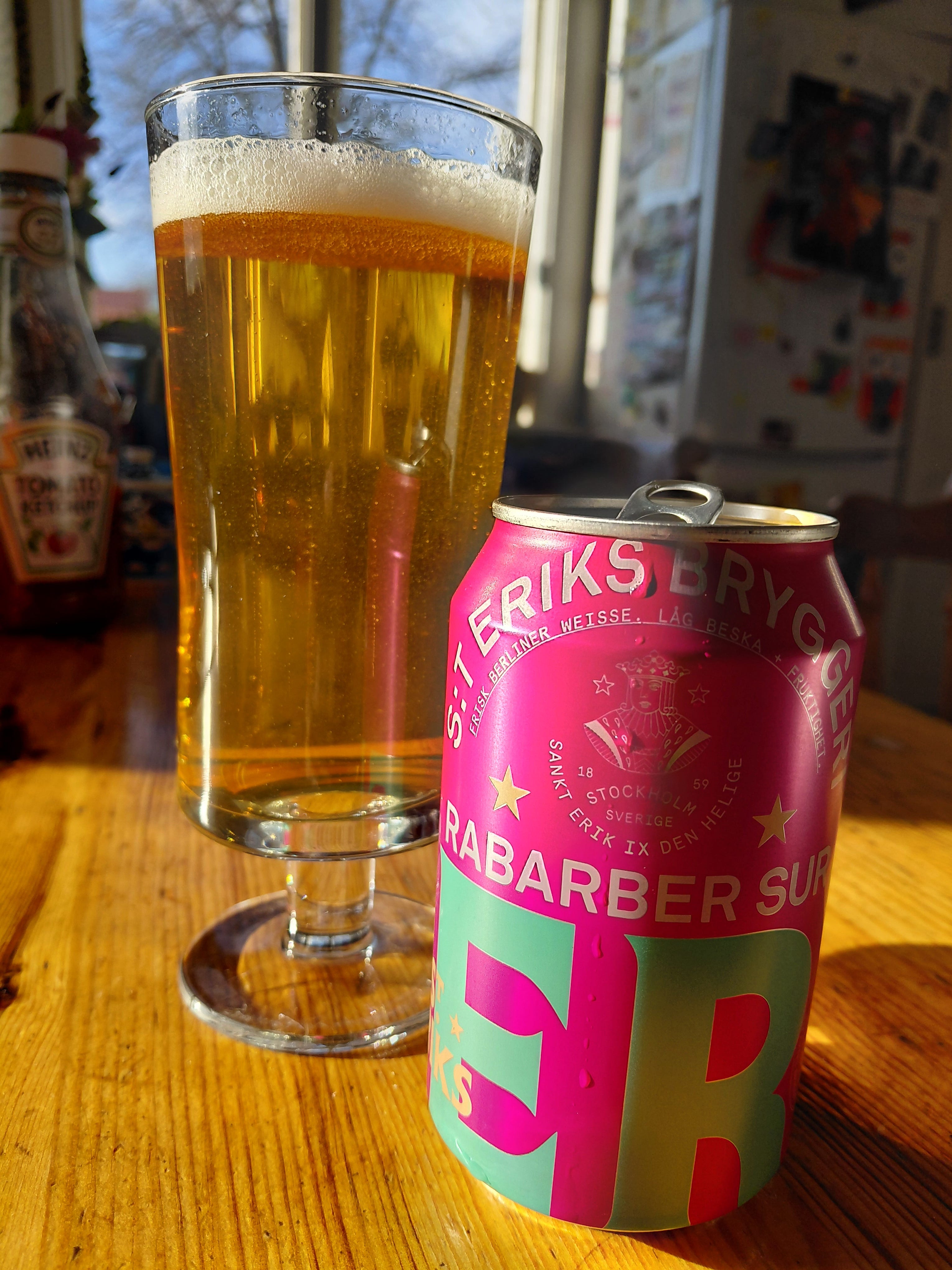
We went to the bonfire in Harbo and met up with our friends who just got back from eight months in Brazil. It was good.
And last night, Alfie and I put together his Majblomman page, as he’s got until Thursday morning to sell the remaining badges from his satchel.
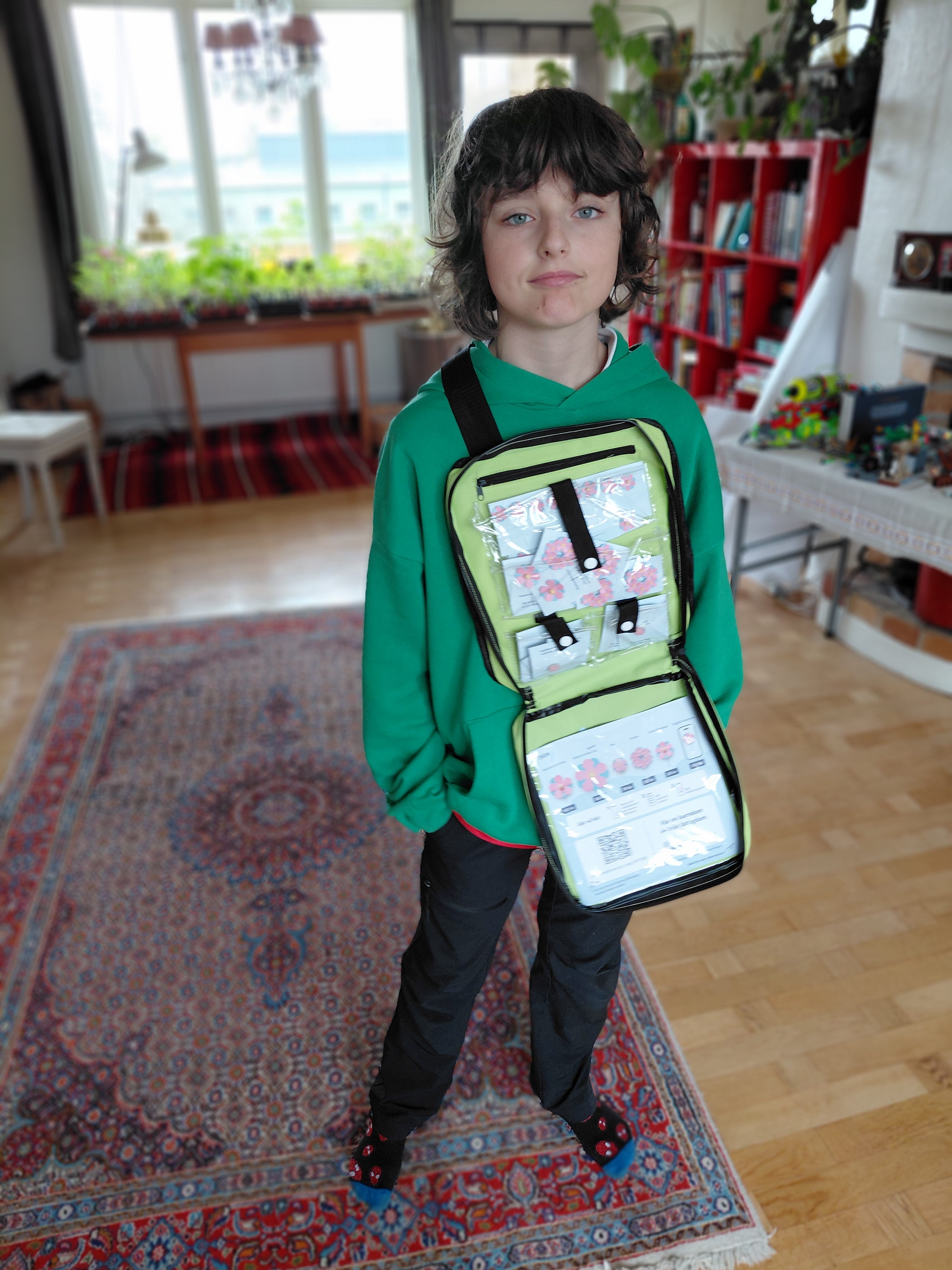
In the next day or two, Anna and I will sit down to flesh out our plans for the new series, A Bit More Practice, which gets underway in a couple of weeks’ time.
And in the weave of all of this, I’m looking forward to having a little more time to write here in the weeks and months ahead! Thanks again, all of you who have been cheering me on in the writing of this book. There will be more to share about it soon and more conspiring to do together for how to make it useful in the world.
DH
